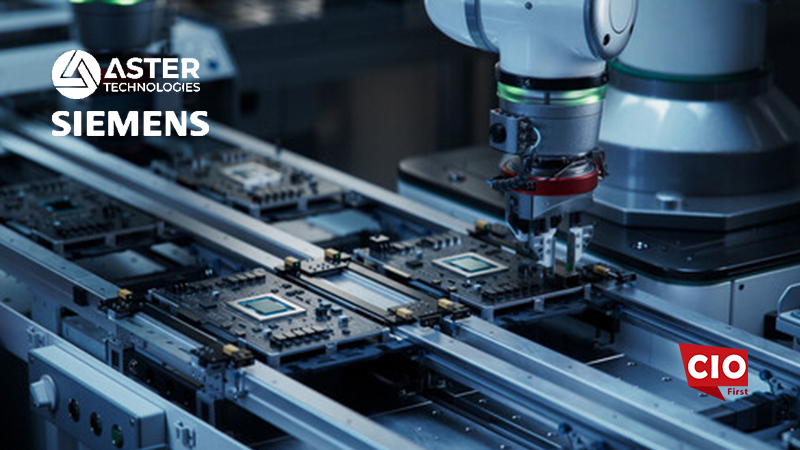
Siemens Digital Industries Software makes a bold move with the acquisition of Aster Technologies, a French company that leads in printed circuit board assembly test verification and engineering software. Announced on January 13, 2026, this deal boosts Siemens’ electronic system design and manufacturing software by adding Aster’s advanced “shift-left” Design for Test capabilities to its top-rated Xpedition and Valor software tools. This move is a big step in Siemens’ plan to grow its Software & Services and offer complete solutions that cover the entire electronics design-to-manufacturing process.
Strengthening Test Engineering and Design for Manufacturing
Aster Technologies, founded in 1993 in France, has been a trusted name in PCBA design, verification, and testing software for over 30 years. Its main product, TestWay, is known for its excellent DFT planning and implementation, helping engineers build test strategies into the design phase early on. This approach reduces defects, cuts re-spins, and improves product quality and reliability.
By integrating Aster’s technology into its Xpedition and Valor software within the Siemens Xcelerator portfolio, Siemens creates a strong digital link from PCB design engineering to manufacturing and test. This integration helps detect defects earlier, reduces costs, speeds up time-to-market, and optimizes product quality – crucial advantages in areas like automotive electronics, telecommunications, computing, and networking systems where complexity is increasing.
Siemens leaders say this acquisition meets the industry’s need for smooth workflows. It connects design and test engineering effectively. Integrating DFT into design tools helps companies unite engineering teams. This change streamlines processes that used to rely on external testing tools or manual handovers. This move helps Siemens lead in delivering complete solutions for the electronics industry’s complex needs.
Implications for the Software & Services Industry
From the perspective of the Software & Services industry, this acquisition illustrates a growing trend: software providers are broadening their portfolios to encompass end-to-end digital solutions that address increasingly complex development environments.
1. Consolidation and End-to-End Platforms
Siemens’ acquisition of Aster reflects consolidation within software platforms that serve engineering and manufacturing workflows. By building comprehensive toolchains – from initial design to manufacturing test – companies can offer richer value propositions to customers who increasingly seek single-vendor solutions that reduce integration overhead and shorten technology adoption cycles.
This shift to integrated software stacks reflects trends in Software & Services. Modular tools are being replaced by interconnected platforms. These platforms combine analytics, design, testing, and deployment workflows. They promise better data continuity, higher productivity, and lower total ownership costs.
Also Read: BLEND and Tasq.ai Partners to Bridge AI Trust Gap
2. Rising Demand for Digital Twin and Simulation Tools
Aster’s software capabilities include digital twin and simulation tools that create virtual representations of physical PCBA systems. Industry research shows that digital twins are changing software markets. They allow for advanced simulation, predictive analytics, and performance optimization. This all happens without needing extensive physical prototypes. Siemens is adding these technologies to its portfolio. This move helps them grow in areas where digital twins boost innovation and lower product failure risks.
Digital twin solutions are changing how companies in manufacturing, automotive, aerospace, and IoT use software. They help optimize designs and improve workflows. This trend helps software services grow. It focuses on predictive modeling and automating complex engineering tasks.
3. Competitive Edge via Enhanced Quality and Reliability
For businesses with advanced electronics, such as automotive ADAS and high-performance computing, quality, compliance, and reliability are crucial. Software that combines early test planning, coverage analysis, and automated verification helps companies find defects sooner. This way, they can avoid expensive recalls or failures in the field. This ability is a key advantage in industries where speed and product reliability lead to success.
Business Impact and Future Directions
The acquisition enhances Siemens’ ability to serve organizations of all sizes across the electronics ecosystem. Here’s how this move may affect businesses operating in or with the Software & Services industry:
Shorter Time to Market: Easy integration of design and testing speeds up iteration cycles. This means fewer delays in validation and certification phases.
Better Quality Assurance: Companies boost customer satisfaction and brand reputation by adding test plans early in design. This approach helps reduce field failures and costly reworks.
Scalability for Complex Systems: As products add advanced electronics, such as 5G modules and self-driving systems, integrated software stacks help companies handle complexity. This way, they avoid a big rise in engineering costs.
Expanded Service Offerings: Improved software can open new revenue streams. This includes subscription services, analytics packages, and premium support tiers. These offerings use cloud tools and digital twin analytics.
From small design firms to global OEMs, companies are increasingly turning to comprehensive digital platforms to centralize engineering workflows and improve cross-functional collaboration. Siemens’ expanded portfolio, now powered by Aster’s test engineering legacy, positions it as a go-to provider for firms seeking unified solutions across design, manufacturing, and test.
Looking Ahead
As software continues to be a primary catalyst driving the digital transformation of product lifecycle management and manufacturing operations, acquisitions like Siemens’ purchase of Aster Technologies underscore the growing importance of integrated software ecosystems. For the Software & Services industry, this deal represents not just consolidation but the maturation of platforms that deliver end-to-end digital continuity and actionable insights across design, test, and production.