Archives
October 2026
September 2026
August 2026
July 2026
June 2026
May 2026
April 2026
March 2026
February 2026
January 2026
December 2025
November 2025
October 2025
September 2025
August 2025
July 2025
June 2025
May 2025
April 2025
March 2025
February 2025
January 2025
December 2024
November 2024
October 2024
September 2024
August 2024
July 2024
June 2024
May 2024
April 2024
March 2024
February 2024
January 2024
December 2023
November 2023
October 2023
August 2022
June 2022
May 2022
April 2022
March 2022
February 2022
July 2021
June 2021
April 2021
March 2021
Categories
CIO
Digital Transformation
Featured Articles
Featured Interview
Features
Guest Author
Guide
Hot Seat Interview
Infographics
IT
Leadership
Marketing
News
Quick Bytes
Resouce
Uncategorized
Meta
Log in
Entries feed
Comments feed
WordPress.org
Home
News
Grounding Agentic AI: Oracle Bolsters Autonomous AI Lakehouse with Semantic Intelligence and Native Apache Iceberg Support
Vertiv Launches Pre-Engineered SmartIT Platform to Streamline High-Density AI Data Center Deployments
fileAI Enters Strategic Collaboration Agreement with AWS to Accelerate Production-Ready AI Agents Across the Global BFSI Sector
Cognizant and EBRD Partner to Accelerate AI-Led Digital Transformation
TCS and Workato Accelerate AI-Powered Enterprise Integration
Featured Articles
FinOps Culture: A Guide to Aligning Technology Teams with Cloud Cost Optimization
Key DevOps Metrics: How Large Enterprises Measure DevOps Success and Business Impact
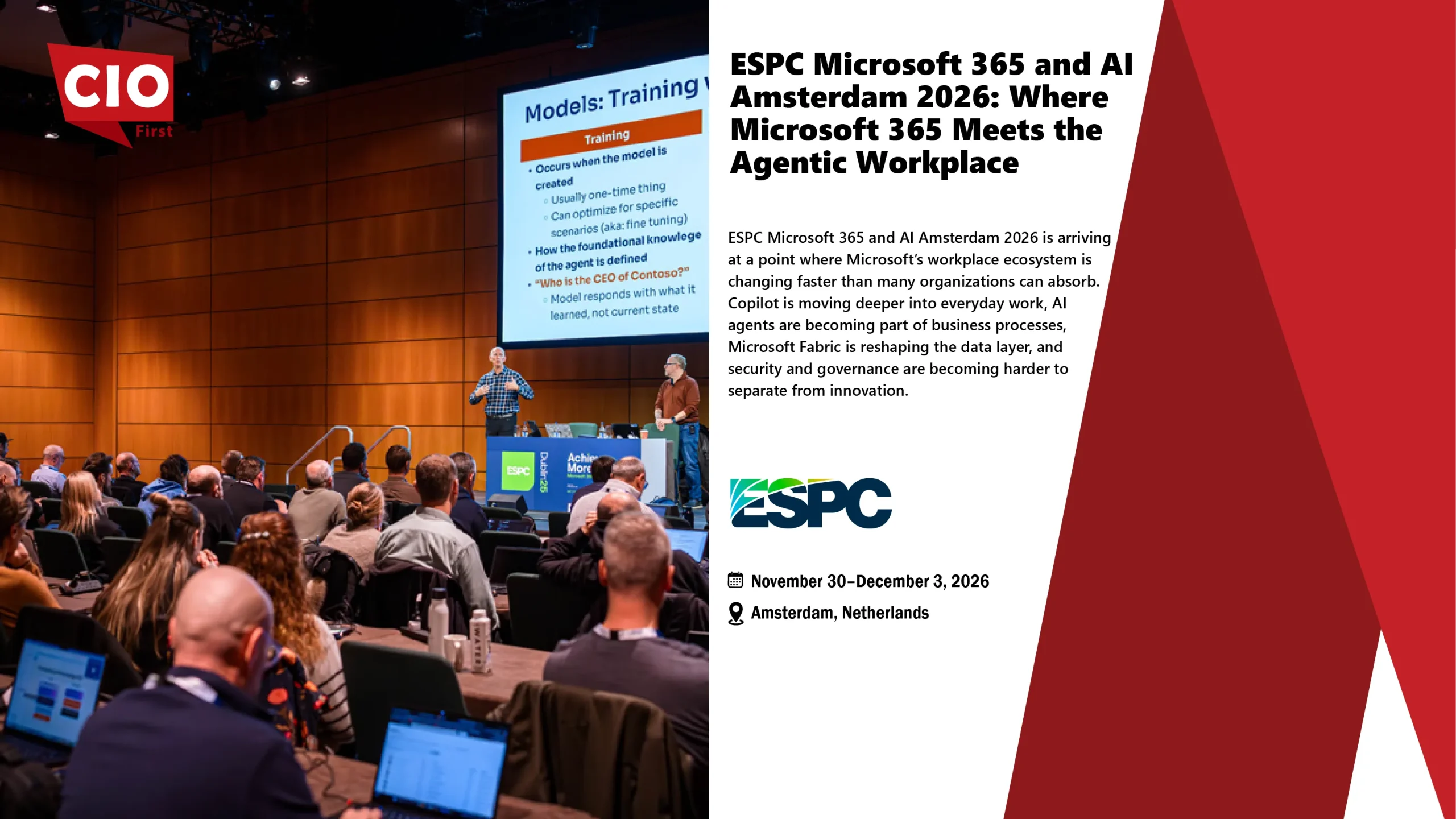
ESPC Microsoft 365 and AI Amsterdam 2026: Where Microsoft 365 Meets the Agentic Workplace
Microsoft Ignite 2026: Where AI Moves from Demonstration to Enterprise Reality
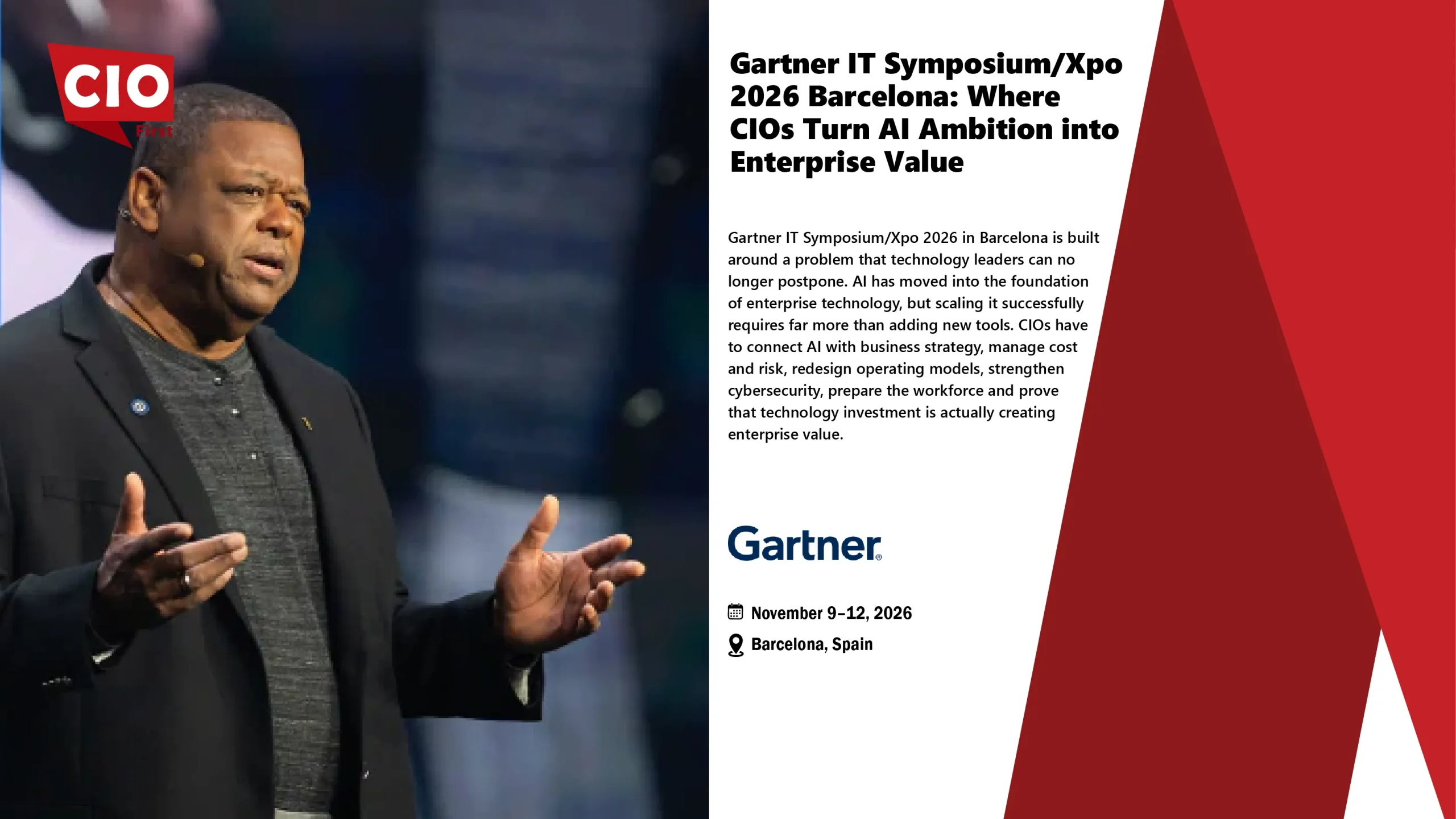
Gartner IT Symposium/Xpo 2026 Barcelona: Where CIOs Turn AI Ambition into Enterprise Value
Quick Bytes
Supermicro Launches 100% Liquid-Cooled NVIDIA Vera CPU Rack to Power Enterprise Agentic AI at Scale
Smarsh Enhances Compliance Suite to Mitigate AI, Cyber, and Third-Party Risks
Nutanix and Netris Partner to Build Secure, Multitenant AI Infrastructure for Neoclouds
Cloudflare OS Expands Ecosystem to Drive Secure Enterprise AI Adoption
Horizon3 and Pax8 Scale European Channel Footprint to Empower MSPs with Autonomous Penetration Testing
Featured Interview
AWS re:Invent 2026: Where Cloud and AI Strategy Meets the Real Work of Scaling
The Future Impact of AI in the Hybrid Workspace
First-Party Data and Zero-Party Data: Bracing for Impact for the Cookie Less Future
Customers Today Look at Cloud to Modernize than Lift and Shift
Harnessing Hyperautomation to Unlock Hiring Crisis
Contact Us
Featured Articles
FinOps Culture: A Guide to Aligning Technology Teams with Cloud Cost Optimization
Key DevOps Metrics: How Large Enterprises Measure DevOps Success and Business Impact
ESPC Microsoft 365 and AI Amsterdam 2026: Where Microsoft 365 Meets the Agentic Workplace
Microsoft Ignite 2026: Where AI Moves from Demonstration to Enterprise Reality
Gartner IT Symposium/Xpo 2026 Barcelona: Where CIOs Turn AI Ambition into Enterprise Value
Product-Centric IT Operating Model: A CIO’s Guide to Modernizing Enterprise IT
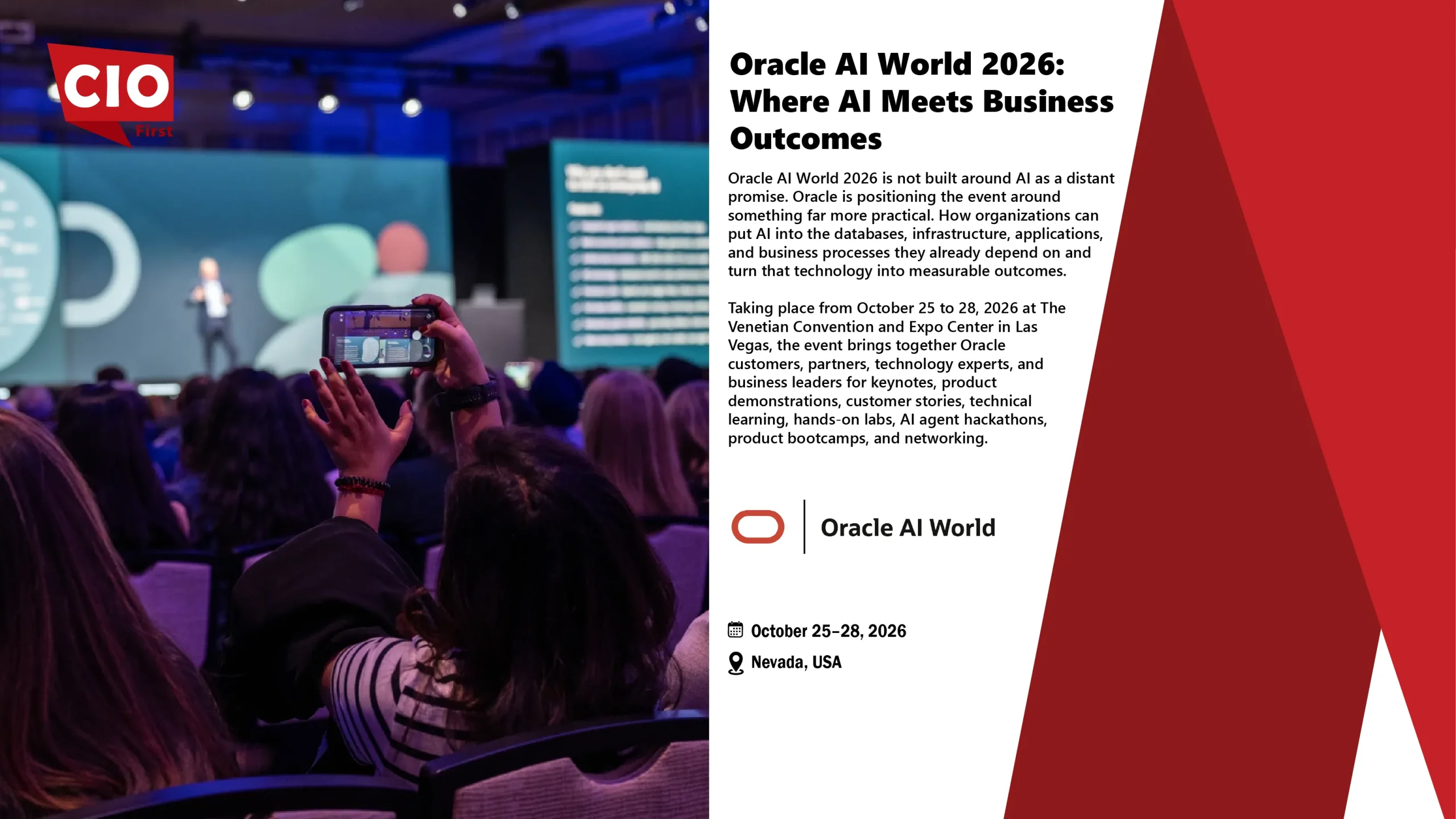
Oracle AI World 2026: Where AI Meets Business Outcomes
Maximizing ROI Through Endpoint and Patch Management: Strategies for Secure and Efficient IT Operations
AI-Powered Content Creation: How Enterprises Scale Content Production with Generative AI
The Evolving Role of the CIO: How Technology Leaders Are Driving Business Growth and Digital Transformation
1
2
…
19
We use cookies to ensure that we give you the best experience on our website. If you continue to use this site we will assume that you are happy with it.
Accept
Decline
Privacy Notice